Have Manufacturing Questions? Call or text us now at 619-473-2149

One of the most important decisions in footwear development happens before customers ever see the shoe.

It’s the midsole.Most consumers focus on:

  • aestheticscolorsbrandingoutsole design
  • But footwear developers know the midsole often determines:
  • comfortweightdurabilityenergy returnmanufacturing costpositioningcustomer perception
  • In many ways, the midsole defines how a shoe feels.And for founders building a footwear brand, choosing the wrong material can create problems that show up later through:
  • customer complaintsreturn ratesdurability issuesmargin pressuremanufacturing challenges
  • Three of the most common midsole options today are:
  • CorkEVATPU
  • Each serves a different purpose.And understanding the tradeoffs can save months of development time and thousands of dollars in production mistakes.What Does a Midsole Actually Do?The midsole sits between:
  • the upperthe outsole
  • Its primary job is to manage force.Every time a person walks or runs, the body generates impact energy.The midsole helps:
  • absorb shockdistribute pressureimprove comfortincrease stabilityinfluence responsiveness
  • Different materials accomplish those goals differently.Some prioritize:
  • softnesssustainabilityaffordability
  • Others prioritize:
  • durabilityperformanceenergy return
  • That’s why selecting a midsole material is both a product decision and a business decision.EVA: The Industry StandardIf you’ve worn athletic shoes, casual sneakers, or lifestyle footwear, you’ve probably worn EVA.EVA (Ethylene Vinyl Acetate) is the most common midsole material in footwear.And for good reason.Advantages of EVAEVA offers:
  • low weightaffordabilityversatilityeasy manufacturingbroad supplier availability
  • Footwear brands use EVA because it can be tuned to achieve different performance characteristics.Manufacturers can adjust:
  • densityfirmnesscompressioncushioning feel
  • to support different categories.EVA works well for:
  • casual footwearlifestyle sneakerswalking shoesentry-level athletic footwearsandals
  • Challenges of EVAEVA isn’t perfect.Over time, EVA can experience:
  • compression setcushioning breakdownreduced responsiveness
  • This means the material gradually loses some of its original cushioning properties.Consumers often describe older EVA shoes as:
  • flatteneddeadpacked out
  • For many categories, this isn’t a major issue.But for performance footwear, durability limitations become more noticeable.Best ForChoose EVA if your brand prioritizes:
  • affordabilitylightweight comfortscalable manufacturingbroad consumer appeal
  • For most emerging footwear brands, EVA remains the safest starting point.TPU: The Performance UpgradeTPU (Thermoplastic Polyurethane) has become increasingly popular in performance footwear.Many premium running and athletic brands utilize TPU-based cushioning systems because of one major advantage:energy return.Unlike traditional EVA, TPU tends to rebound more effectively after compression.That creates a more responsive feel underfoot.Advantages of TPUTPU typically provides:
  • superior energy returnimproved durabilitybetter resiliencelonger cushioning lifepremium positioning
  • Consumers often describe TPU footwear as:
  • springyresponsiveenergetic
  • Because the material stores and returns more force during movement.For running shoes, that can create a noticeable performance difference.Challenges of TPUThe biggest tradeoff is cost.TPU often requires:
  • higher material costsmore complex processingadditional development work
  • In some constructions, TPU can also weigh more than EVA.That means brands must balance:
  • performanceweightcost
  • simultaneously.Best ForTPU works particularly well for:
  • running footwearathletic footwearperformance categoriespremium sneakers
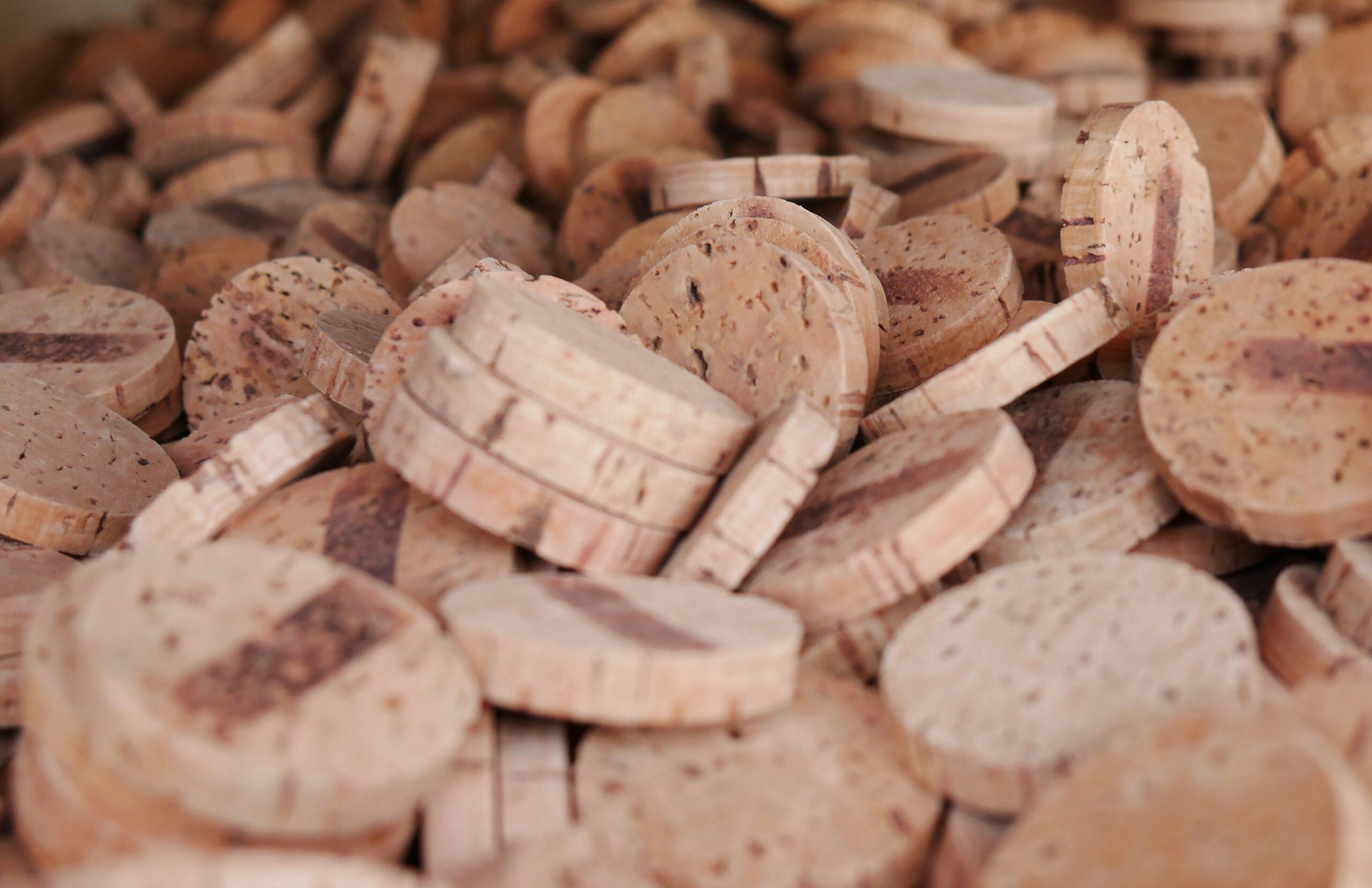
  • If your brand is competing on technical performance, TPU often deserves serious consideration.Cork: The Sustainability AlternativeCork occupies a very different position in footwear.Unlike EVA and TPU, cork is typically chosen for:
  • sustainabilitynatural materialsbrand storytellingunique comfort characteristics
  • Cork has been used in footwear for decades, particularly in:
  • sandalscomfort footwearorthopedic footwearpremium lifestyle categories
  • Advantages of CorkCork offers several unique benefits:
  • renewable material sourcingsustainability positioningnatural appearancemoisture resistancelightweight construction
  • One of cork’s most interesting characteristics is that it gradually conforms to the wearer’s foot over time.Many consumers value this personalized feel.As a result, cork often develops strong customer loyalty.Challenges of CorkCork is not a direct replacement for EVA or TPU.Compared to performance foams, cork generally provides:
  • less energy returnless athletic responsivenessmore limited cushioning options
  • It also requires different development considerations.Not every footwear construction is compatible with cork-based midsoles.Best ForCork works best in:
  • sandalscomfort footwearsustainability-focused brandspremium lifestyle productsnatural-material product lines
  • If your brand positioning centers around sustainability and natural materials, cork can become a meaningful differentiator.The Real Question Isn’t Material. It’s Brand Positioning.Many founders ask:”What is the best midsole material?”The better question is:”What is the best material for our customer?”Because material selection should align with brand strategy.For example:A sustainable sandal company may choose cork.A value-oriented sneaker brand may choose EVA.A premium performance running brand may choose TPU.All three decisions could be correct.The material should support:
  • customer expectationsprice pointperformance requirementsmanufacturing realitiesbrand positioning
  • Manufacturing Considerations Founders Often MissOne of the biggest mistakes founders make is focusing entirely on performance.They ignore manufacturability.Different materials affect:
  • tooling costssourcing complexitydevelopment timelinesfactory capabilitiesproduction scalability
  • Some factories have extensive experience with EVA.Others specialize in TPU systems.Some comfort footwear manufacturers may have significant cork expertise.Choosing a material your factory understands often reduces:
  • development risksampling delaysproduction errorsquality issues
  • Material decisions should always be evaluated alongside manufacturing capabilities.Cost vs Performance vs Brand StoryMost footwear material decisions ultimately come down to balancing three factors:
  • CostPerformanceBrand Story
  • EVA tends to win on cost.TPU tends to win on performance.Cork tends to win on sustainability and storytelling.The right answer depends entirely on what your customer values most.Because consumers don’t buy materials.They buy outcomes.They buy:
  • comfortperformancesustainabilitystyledurability
  • The material is simply the mechanism that delivers those outcomes.Which Midsole Material Should Your Brand Choose?For most emerging brands:Choose EVA if you need affordability, flexibility, and scalable manufacturing.Choose TPU if performance and premium positioning are central to your value proposition.Choose cork if sustainability, natural materials, and comfort-focused storytelling define your brand.The best footwear brands don’t start with materials.They start with customer needs.Then they select materials that support the experience they want to create.And in footwear, the midsole is often where that experience begins.