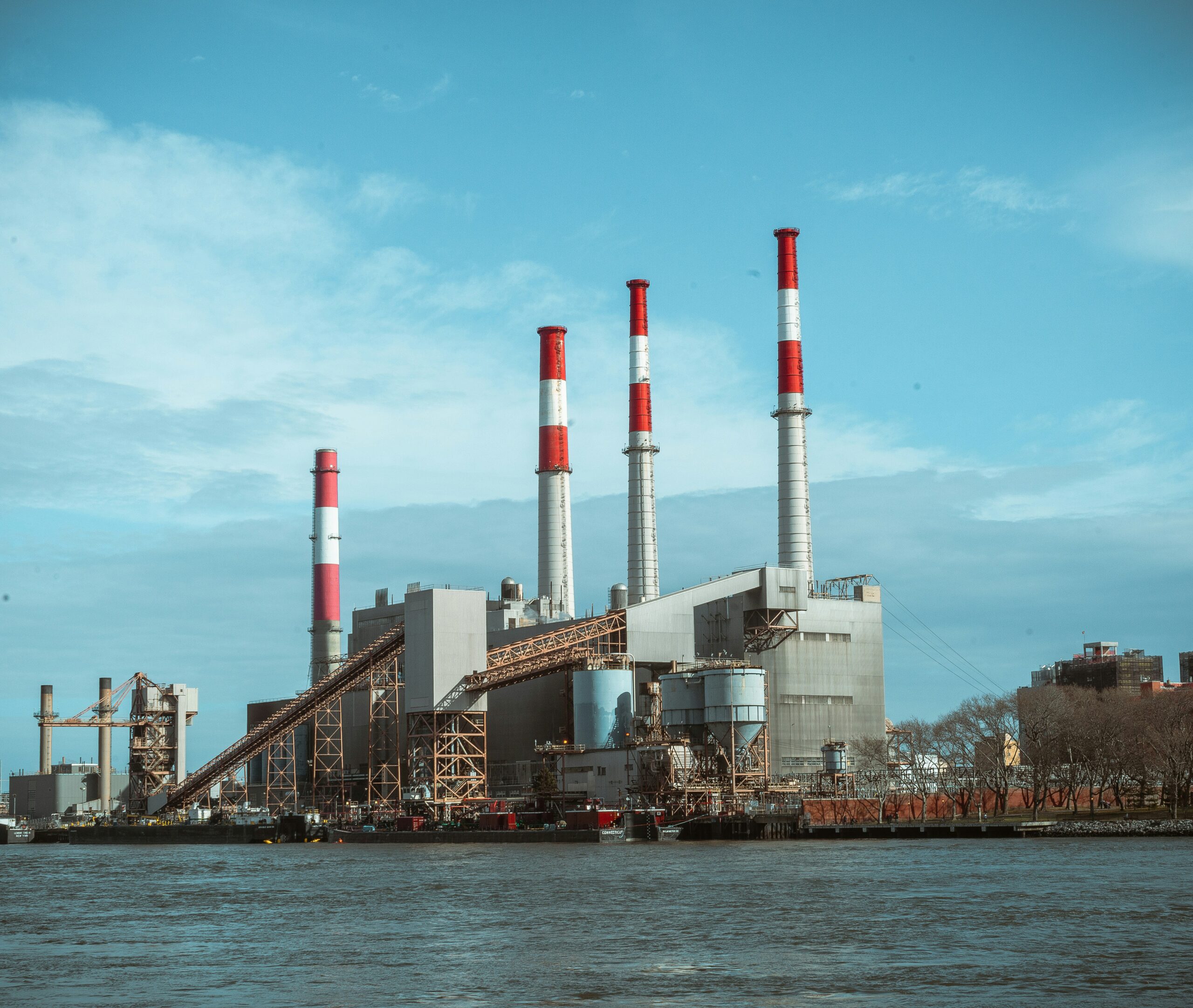

For decades, China was known as the world’s low-cost factory.
That era is over — by design.
Made in China 2025 marked a deliberate shift:
from labor-intensive manufacturing → to advanced, strategic, and self-sufficient production.
Founders who still think of China as “cheap assembly” are already behind.
🔹 China Didn’t Want to Be Powerful — It Wanted to Be Resilient
By the early 2010s, China faced a problem.
It made the world’s products — but depended on others for:
- Advanced semiconductors
- Specialized machinery
- Core technologies
That made China powerful, but fragile.
Made in China 2025 was launched to identify those bottlenecks and remove them.
🔹 Chips: The Pressure Point That Changed Everything
Nothing exposed China’s vulnerability faster than semiconductors.
High-end chips — especially AI chips — were:
- Designed in the US
- Manufactured using machines from Europe
- Controlled by export restrictions
Companies like NVIDIA and Intel became geopolitical leverage points overnight.
Export controls were meant to slow China down.
Instead, they forced China to build its own alternatives.
🔹 Why Restrictions Accelerated Chinese Innovation
When access to cutting-edge chips was restricted, China didn’t stop innovating.
It redirected capital:
- Into domestic chip fabrication
- Into equipment development
- Into training engineers
The goal wasn’t immediate parity — it was long-term independence.
Ironically, cutting China off reduced Western lock-in and increased China’s incentive to compete directly.
🔹 Solar, Batteries, and EVs: Where China Already Won
Semiconductors get headlines — but China quietly achieved dominance elsewhere.
China now fully manufactures:
- Solar panels
- Battery systems
- EV supply chains
This didn’t happen by accident.
China created:
- Massive domestic demand
- Guaranteed buyers
- Financing and permits at scale
Once ecosystems formed, scale did the rest.
That’s why companies like BYD could emerge seemingly overnight — after decades of preparation.
🔹 Taiwan, Chips, and Global Fragility
One of the most fragile points in the global economy is advanced chip manufacturing.
A single company — TSMC — produces most of the world’s cutting-edge chips.
China wants that capability inside its borders.
The US wants it outside China’s orbit.
Made in China 2025 is as much about geopolitical leverage as economics.
🔹 What Founders Get Wrong About “Strategic Manufacturing”
Founders often assume:
- Strategic industries don’t affect consumer goods
- Policy doesn’t shape sourcing outcomes
Both are wrong.
When a country decides an industry matters, it:
- Clears regulatory friction
- Funds capacity ahead of demand
- Protects winners
That changes cost curves permanently.
🔹 Why This Matters Even If You Don’t Sell Tech
Made in China 2025 affects:
- Component availability
- Pricing stability
- Supplier leverage
- Innovation cycles
As China moves upmarket, founders relying on “cheap China” assumptions will see:
- Fewer low-margin options
- More automation
- Higher expectations around specs and scale
China isn’t leaving manufacturing.
It’s upgrading it.
🔹 The Real Takeaway
Made in China 2025 wasn’t about copying the West.
It was about ensuring China would never again be blocked from making what it considers essential.
For founders, the lesson is clear:
Manufacturing strategy follows national intent, not just market forces.
Understanding that intent leads to better sourcing decisions — wherever you manufacture.
This is where experienced sourcing oversight matters most.
Advanced manufacturing changes fast — and assumptions age even faster.
We help founders understand where manufacturing is going, not just where it’s been.