
When people talk about manufacturing in China, the image that often comes to mind is outdated: crowded factory floors, unsafe conditions, and ultra-cheap labor.
That picture was never universal — and today, it’s mostly wrong.
Sweatshops didn’t disappear overnight.
They were replaced.
🔹 Sweatshops Were a Phase — Not the End State
In the early 2000s, China’s manufacturing advantage was cheap labor. Millions of workers moved from rural areas into cities, willing to accept difficult jobs to support their families.
That created a temporary condition:
- Large labor supply
- Low bargaining power
- Minimal standards enforcement
But that condition didn’t last.
As China industrialized, the labor pool tightened — and factories had to adapt.
🔹 Labor Didn’t Get Kinder — It Got Scarcer
One of the most important shifts in Chinese manufacturing is labor scarcity.
China now faces:
- Fewer young workers
- Higher worker expectations
- More competition between employers
When labor is scarce, conditions improve — not out of altruism, but necessity.
Factories now compete to attract workers, which drives:
- Better pay
- Better housing
- Safer conditions
- More structured hours
🔹 Why Automation Replaced Sweatshops
Instead of racing to the bottom on labor cost, China raced upward on productivity.
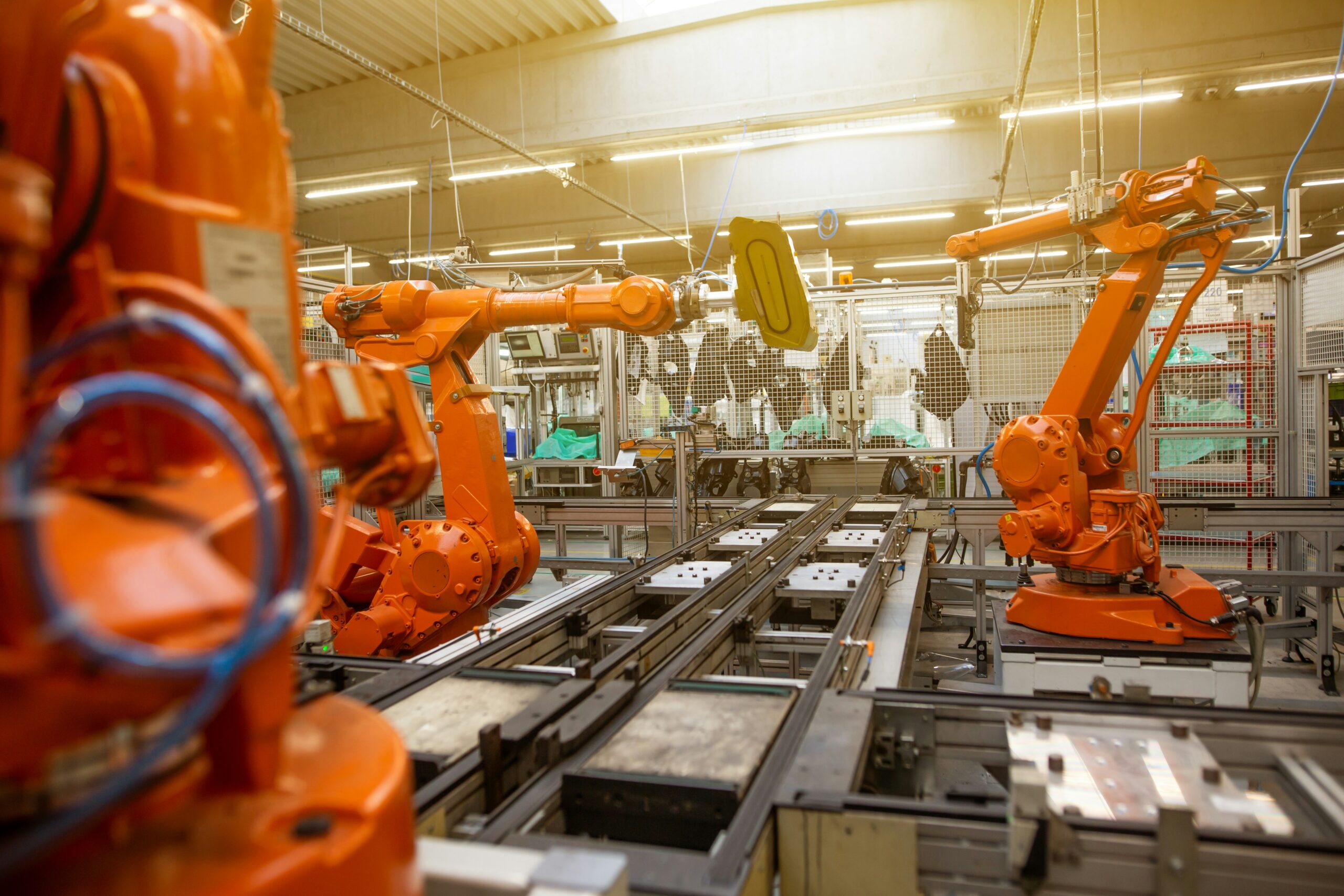
China installs hundreds of thousands of industrial robots per year, accelerating the move away from:
- Repetitive manual labor
- Unsafe, low-margin work
- Human variability
This is why many of the worst labor conditions no longer exist in China — they moved to countries still early in the industrial cycle.
🔹 Sweatshops Didn’t Vanish — They Moved
This is the uncomfortable truth.
Labor-intensive manufacturing didn’t disappear.
It relocated to:
- Bangladesh
- Vietnam
- Parts of South Asia and Africa
China moved upmarket.
Other regions absorbed the early-stage labor cost.
Understanding this prevents founders from chasing “ethical manufacturing” labels without understanding where tradeoffs actually land.
🔹 Why Big Brands Changed the Equation
Global brands changed factory behavior — not governments alone.
Companies like Nike, Lululemon, and others:
- Enforce supplier audits
- Require documented labor standards
- Terminate suppliers after violations
When a factory’s survival depends on large Western buyers, standards rise quickly.
This is why founders sourcing from smaller factories face more risk — not because China is worse, but because leverage is weaker.
🔹 The Founder Mistake: Assuming Ethics by Geography
Founders often ask:
“Which country is more ethical?”
That’s the wrong question.
Ethics are enforced by:
- Buyer leverage
- Contractual requirements
- Audit systems
- Ongoing oversight
A “good” country with no oversight is riskier than a “bad” country with strong controls.
🔹 What Founders Should Actually Verify
Instead of relying on assumptions, founders should verify:
- Worker housing and safety conditions
- Overtime policies
- Age verification
- Audit history
- Brand exposure risk
Ethical manufacturing isn’t about labels.
It’s about controls and visibility.
🔹 The Real Takeaway
Sweatshops weren’t eliminated by outrage.
They were eliminated by economics, automation, and labor scarcity.
China changed because it had to — and because it could.
Founders who understand this make better sourcing decisions, avoid false moral shortcuts, and protect their brands long-term.
This is where experienced sourcing oversight matters most.
Ethical manufacturing doesn’t happen by assumption.
It happens by design.
We help founders verify standards, manage risk, and build supply chains they can stand behind.
→ Talk to a Product Sourcing Expert