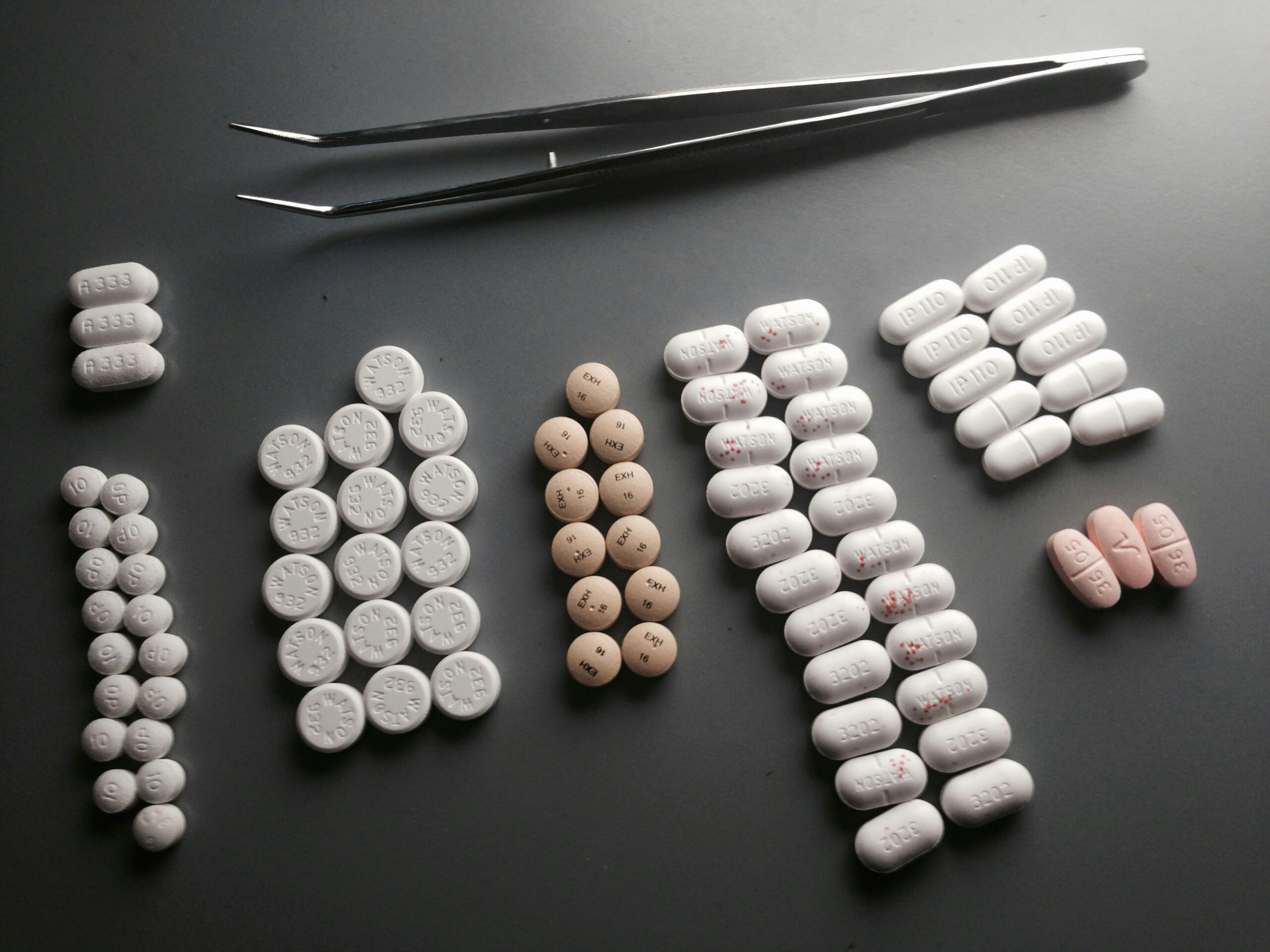

Tablet coatings are often viewed as cosmetic.
They make tablets smoother, improve appearance, and help with swallowability.
But in supplement manufacturing, coatings serve several functional roles beyond aesthetics. They can protect ingredients, mask unpleasant flavors, control where nutrients dissolve in the body, and improve product stability during storage.
Different coating systems achieve these goals in different ways.
The three most common tablet coatings used in supplement manufacturing are:
- Film coatings
- Sugar coatings
- Enteric coatings
Each coating type introduces different tradeoffs in manufacturing complexity, cost, stability, and product performance.
Understanding those tradeoffs helps brands choose the right coating for their product.
Why Tablets Are Coated
Uncoated tablets are technically possible, but coatings offer several advantages.
Coatings are commonly used to:
- improve swallowability
- mask bitter or metallic ingredient flavors
- protect moisture-sensitive ingredients
- increase tablet durability during shipping
- control where tablets dissolve in the digestive system
Without coating, many tablets would have rough surfaces and unpleasant taste profiles.
Coatings also help tablets survive handling and transportation without breaking.
Film Coating: The Most Common Tablet Coating
Film coating is the most widely used coating system in modern supplement manufacturing.
It involves applying a thin polymer-based layer over the tablet surface.
How Film Coating Works
During production, tablets are placed in a rotating coating drum.
A liquid coating solution containing polymers, plasticizers, and pigments is sprayed onto the tablets while warm air dries the coating.
As the coating dries, it forms a thin protective film around the tablet.
This process adds only a small amount of material to the tablet.
Advantages of Film Coating
Film coatings offer several manufacturing advantages.
They are:
- relatively fast to apply
- cost-effective at scale
- compatible with most tablet formulations
- effective for masking mild bitterness
Film coatings also create a smooth tablet surface, making the product easier to swallow.
Limitations of Film Coating
Film coatings are relatively thin.
This means they may not fully mask extremely bitter ingredients.
They also do not significantly alter how tablets dissolve in the digestive system.
For most supplement products, however, film coating provides an efficient balance of cost and functionality.
Sugar Coating: Traditional but Less Common
Sugar coating is one of the oldest tablet coating methods.
It involves building multiple layers of sugar around the tablet until a thick outer shell forms.
This technique was historically used in pharmaceuticals and confectionery-style tablets.
How Sugar Coating Works
Sugar coating is applied through repeated cycles of:
- coating the tablet with sugar syrup
- drying the layer
- repeating the process until the desired thickness is reached
The process may require dozens of coating cycles.
The result is a thick, glossy shell around the tablet.
Advantages of Sugar Coating
Sugar coatings are highly effective at masking unpleasant tastes.
They also provide strong physical protection for tablets.
Because the coating layer is thick, it can completely isolate the tablet core from the mouth until swallowed.
Limitations of Sugar Coating
Despite its advantages, sugar coating is less common today.
The process has several drawbacks:
- significantly longer production times
- higher manufacturing costs
- increased tablet size and weight
- more complex production equipment
Sugar coatings can also make tablets much larger, which may affect swallowability.
For these reasons, most supplement manufacturers prefer film coatings for modern products.
Enteric Coating: Controlled Dissolution
Enteric coatings serve a different purpose from film or sugar coatings.
They are designed to delay tablet dissolution until the product reaches the intestines.
Why Enteric Coatings Are Used
Certain ingredients can irritate the stomach or degrade in acidic environments.
Enteric coatings protect tablets from stomach acid so they dissolve later in the digestive tract.
This approach is often used for ingredients such as:
- probiotics
- certain enzymes
- sensitive botanical extracts
- acid-sensitive nutrients
Enteric coatings can also reduce stomach discomfort caused by certain supplements.
How Enteric Coating Works
Enteric coatings use specialized polymers that remain stable in acidic environments but dissolve at higher pH levels.
In the stomach’s acidic environment, the coating remains intact.
Once the tablet reaches the more neutral pH of the small intestine, the coating dissolves and releases the active ingredients.
Manufacturing Complexity of Enteric Coatings
Enteric coatings require more precise manufacturing conditions.
The coating process must ensure:
- uniform coverage
- correct coating thickness
- reliable dissolution behavior
Manufacturers often perform dissolution testing to confirm that tablets release ingredients at the intended location.
Because of this complexity, enteric-coated tablets generally cost more to produce.
How Coating Choice Affects Manufacturing Cost
Each coating system affects production cost differently.
Film coatings are usually the most economical option.
They require less material and shorter processing time.
Sugar coatings increase both material use and manufacturing time.
Enteric coatings introduce additional formulation complexity and testing requirements.
As a result, they tend to carry higher production costs.
Stability Considerations for Tablet Coatings
Tablet coatings can also affect product stability.
Coatings provide a barrier that helps protect tablets from:
- moisture
- oxygen
- light exposure
Film coatings provide modest protection.
Sugar coatings offer stronger physical protection but add bulk.
Enteric coatings primarily control dissolution rather than environmental protection, though they may offer some barrier benefits.
Packaging still plays a critical role in maintaining tablet stability.
Consumer Experience Differences
Tablet coatings also influence how consumers interact with the product.
Film-coated tablets are typically smooth and easy to swallow.
Sugar-coated tablets often feel thicker and may have a slightly sweet taste.
Enteric-coated tablets behave like standard tablets when swallowed but delay ingredient release internally.
These differences may influence how consumers perceive the product.
When Each Coating Type Makes Sense
The best coating system depends on the product’s formulation and intended function.
Film coatings are typically used for:
- standard vitamin and mineral tablets
- products needing mild taste masking
- high-volume supplements
Sugar coatings may be used for:
- chewable-style tablets
- products requiring strong taste masking
- specialty formulations
Enteric coatings are most appropriate for:
- acid-sensitive ingredients
- stomach-sensitive formulations
- targeted intestinal delivery
Manufacturers evaluate these factors during formulation development.
How Sourcify Helps Brands Choose the Right Tablet Coating
Tablet coatings influence both product performance and manufacturing complexity.
Sourcify helps brands evaluate coating strategies by:
- assessing ingredient compatibility with coating systems
- identifying manufacturers with advanced tablet coating capabilities
- reviewing dissolution and stability testing requirements
- ensuring coating choices align with product goals and scale
Our goal is to help brands select coating systems that support both product quality and efficient manufacturing.
The Bottom Line
Tablet coatings do more than improve appearance.
They influence taste masking, stability, manufacturing cost, and how supplements dissolve in the body.
Film coatings provide efficient, cost-effective protection for most supplements.
Sugar coatings offer stronger taste masking but increase production complexity.
Enteric coatings enable targeted release but require specialized manufacturing processes.
Choosing the right coating system ensures tablets perform consistently from production to consumption.
If you’re developing tablet supplements and evaluating coating strategies, experienced manufacturing guidance can help.