
Founders often ask the same question in disbelief:
How is nearly everything made in China?
The answer isn’t cheap labor.
It’s not IP theft.
And it’s not one magical factory.
It’s something much harder to replicate: ecosystem density.
🔹 China Didn’t Build Factories — It Built Systems
China’s manufacturing advantage comes from how its industries are physically organized.
Certain cities specialize in very specific things:
- Electronics
- Apparel
- Zippers
- Batteries
- Tooling
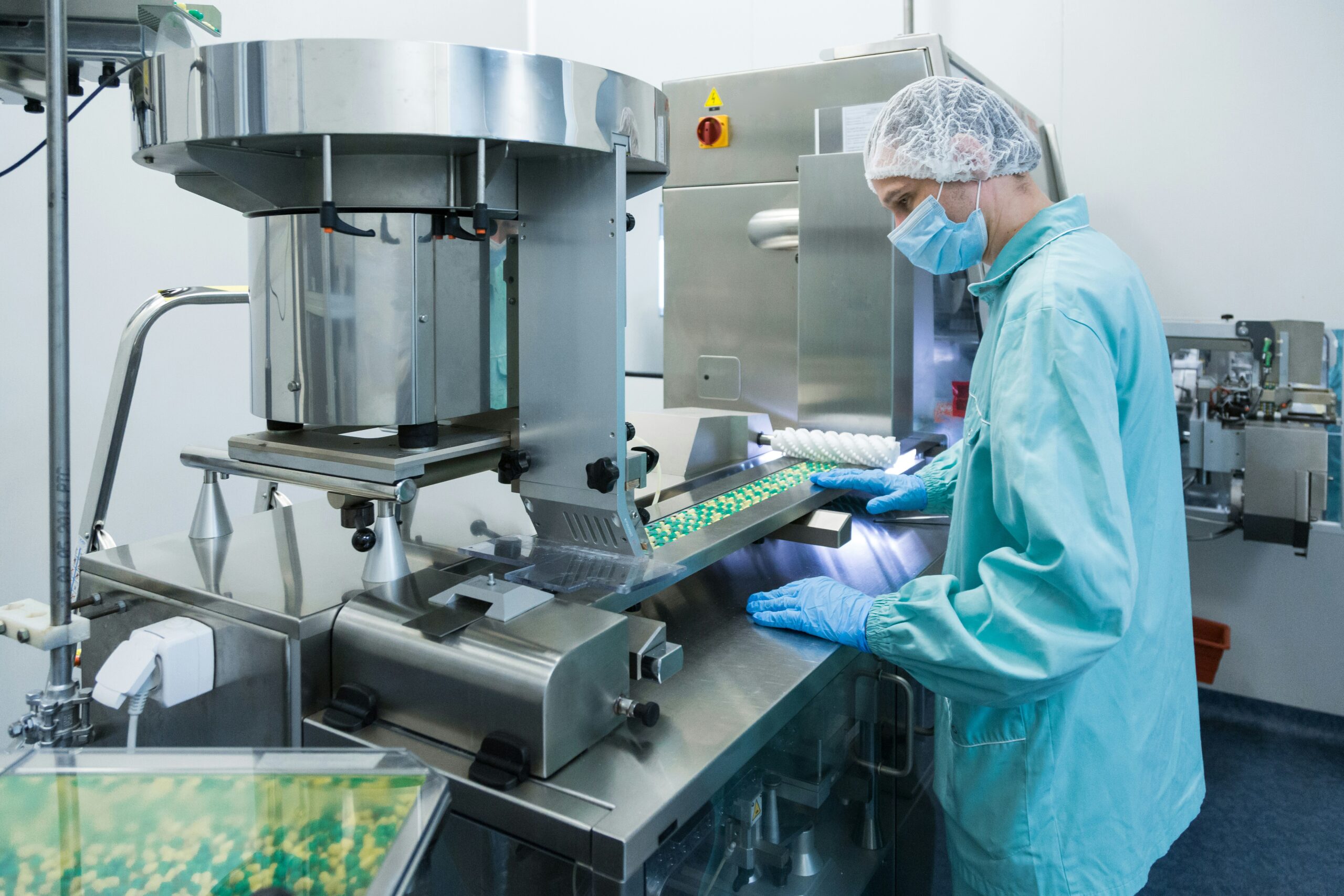
When a product is assembled, the suppliers for every subcomponent already exist nearby — often within the same city or region.
This is why iteration in China is so fast. You’re not coordinating across borders. You’re walking down the street.
🔹 The Shenzhen Effect: Why Density Beats Cost
Take Shenzhen as the clearest example.
Forty years ago, it was a fishing village. Today, it’s one of the most important electronics manufacturing hubs on the planet.
Why?
Because once one major company sets up shop, others follow:
- Component suppliers
- Tooling vendors
- Packaging
- Logistics
- Testing labs
Each new supplier reduces friction for the next one. That compounding effect is what makes China so hard to replace.
🔹 China as the Manufacturing “Supermarket”
Aaron uses a simple analogy:
If you’re hosting a dinner party, you could:
- Go to the butcher
- Then the bakery
- Then the farmer’s market
Or you could go to one supermarket that has everything.
China is the supermarket.
Founders don’t just source one part — they source options, alternatives, and speed.
That flexibility matters far more than unit cost once products start scaling.
🔹 Why Nearshoring Often Breaks at Scale
When tariffs increased, many brands rushed to move manufacturing:
- Vietnam
- Indonesia
- Mexico
Some succeeded — temporarily.
But many later returned to China for one reason: supplier depth.
Final assembly can move.
Ecosystems can’t — at least not quickly.
If a supplier fails in China, there are ten more nearby.
In newer manufacturing regions, there might be one — or none.
🔹 This Is Why “Anywhere but China” Often Fails
Founders often frame sourcing as a binary choice:
China vs. everywhere else
That’s the wrong framing.
China isn’t dominant because it’s cheap.
It’s dominant because it’s complete.
Until another region can offer:
- Comparable supplier density
- Skilled labor at scale
- Fast iteration loops
China remains unmatched for many product categories.
🔹 What This Means for Founders
Choosing China isn’t about chasing the lowest price.
It’s about choosing:
- Speed
- Optionality
- Redundancy
- Learning velocity
Those advantages disappear when sourcing is treated as a one-time transaction instead of an operating system.
🔹 The Real Takeaway
China didn’t win manufacturing by accident.
It invested decades building interconnected systems — and those systems are why so much of the world still depends on Chinese production.
Understanding that reality leads to better sourcing decisions — whether you manufacture in China or not.
This is why experienced sourcing oversight matters more than geography.
Manufacturing success isn’t about picking a country.
It’s about picking the right system for your product.
We help founders evaluate ecosystems, not just quotes.