
Some fashion brands begin with massive funding, celebrity endorsements, or retail partnerships.
Miansai started with a single bracelet.
Founder Michael Saiger was a marketing student at the University of Miami when he created the brand’s first product — a simple leather bracelet with a metal bullet detail. When people started asking where they could buy it, Saiger realized he had stumbled onto something bigger than a class project.
That single product became the foundation for a brand that would eventually grow into a $50 million business selling jewelry around the world.
Here’s how Miansai scaled from handmade bracelets into a global accessories brand.
Start With a Product That Stands Out
Many accessory brands launch with large product catalogs. Miansai did the opposite.
The brand started with one core item: a minimalist leather bracelet.
What made it successful wasn’t complexity — it was clarity. The bracelet was simple, masculine, and different from the accessories commonly available at the time.
Early customers weren’t buying because of heavy marketing. They were buying because the product itself stood out.
This kind of focused product strategy often becomes the foundation for scalable brands. Instead of launching dozens of items, founders concentrate on refining a single product until it resonates with customers.
Once demand appears, the brand expands carefully.
Reinvent the Product Through Iteration
In the early days, Saiger was making bracelets himself.
The money from those sales was reinvested directly into improving production — buying equipment, refining designs, and improving quality.
This process of reinvesting revenue back into the product allowed the brand to evolve quickly.
Over time, Miansai introduced new variations such as:
- Anchor bracelets
- Metal cuffs
- Chain bracelets
- Necklaces and pendants
Each new product stayed aligned with the brand’s minimalist aesthetic.
This approach allowed Miansai to expand its catalog while maintaining a consistent identity.
Move From Handmade to Scalable Manufacturing
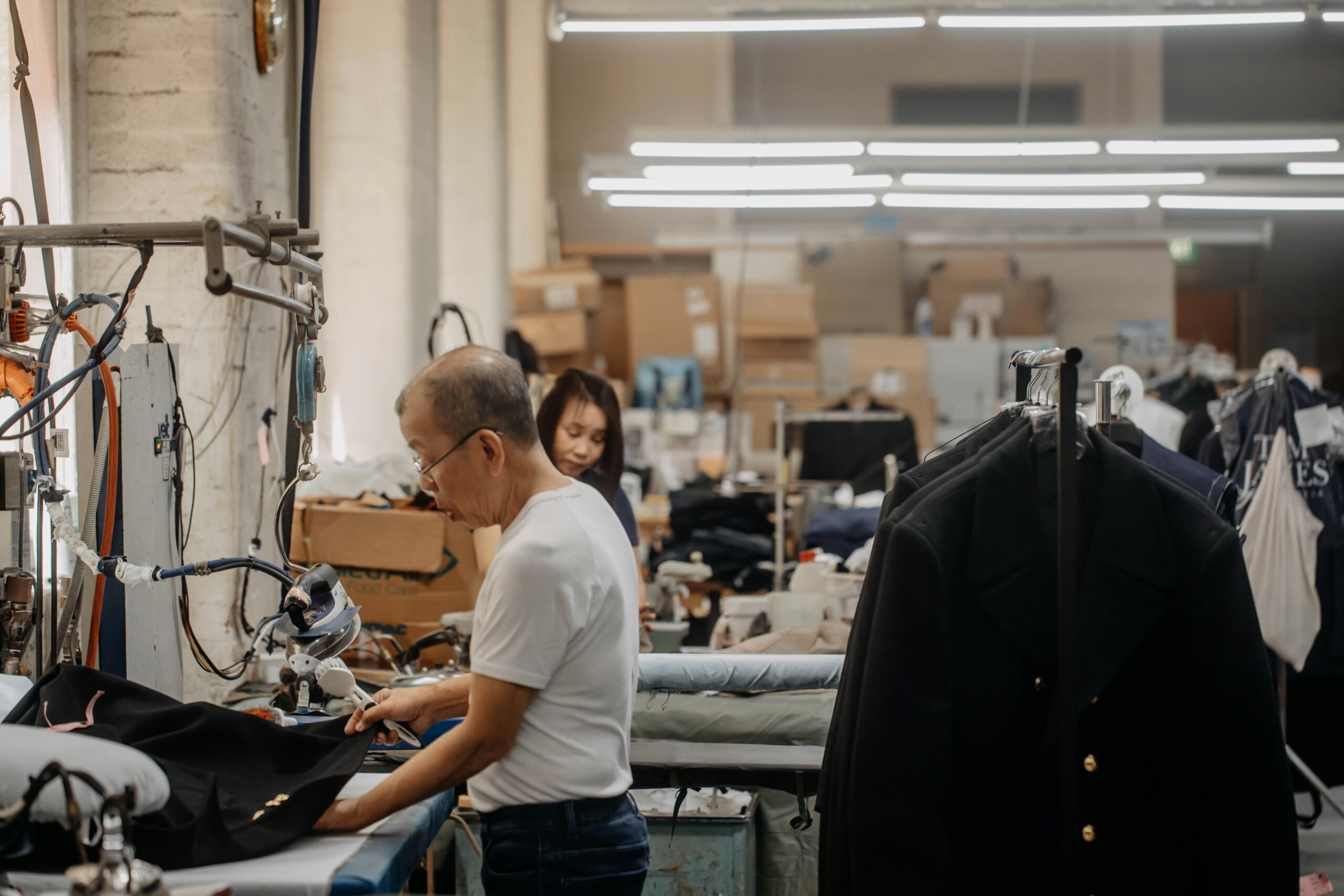
Handmade production works in the earliest stages of a brand. It proves product demand.
But it doesn’t scale.
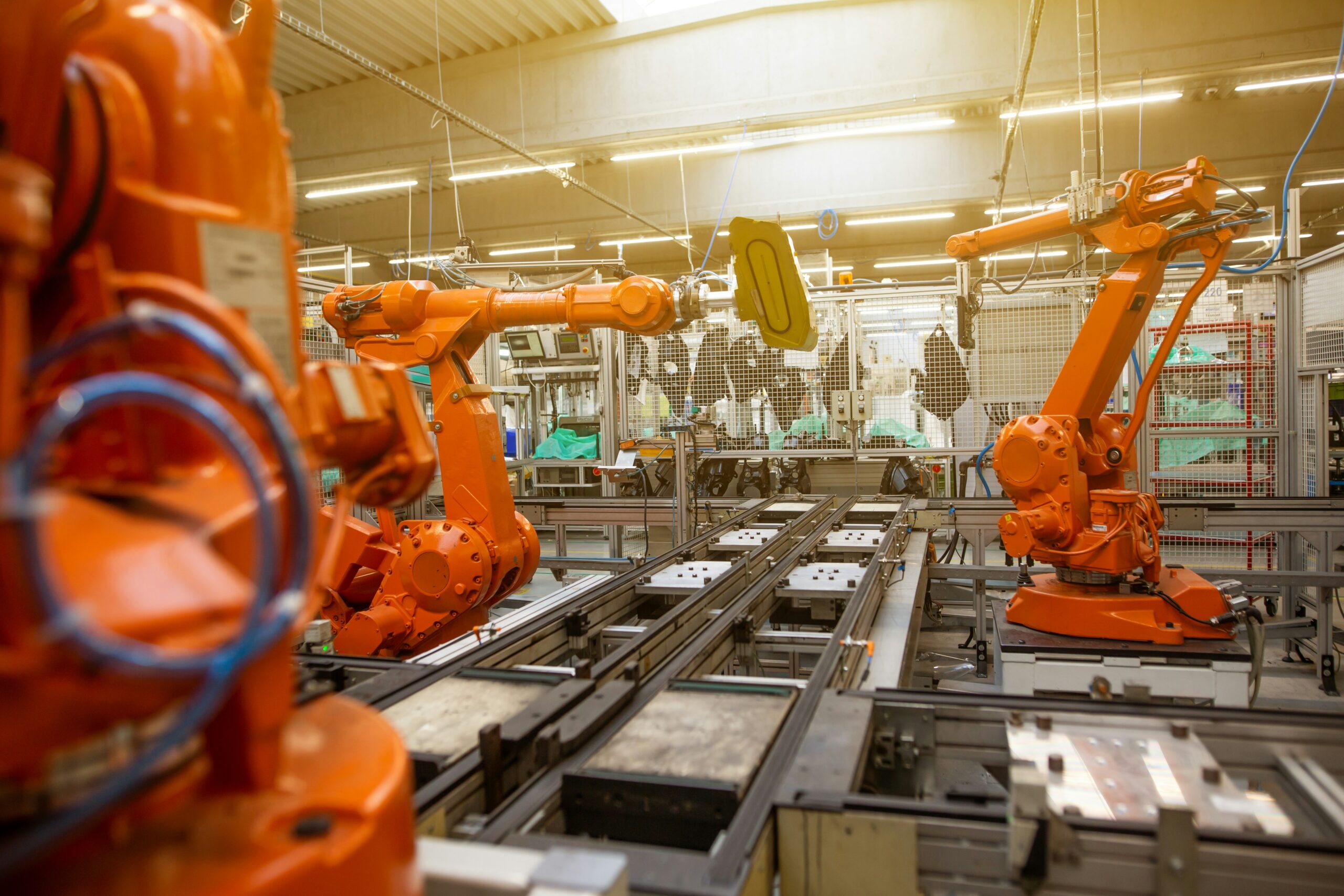
As orders increase, brands must shift toward professional manufacturing processes that can produce consistent products at larger volumes.
Jewelry brands typically scale production through a combination of:
- Metal casting for small components
- CNC machining for precision parts
- Electroplating for gold or rhodium finishes
- Manual assembly for bracelets and closures
Factories specializing in accessories manufacturing can produce thousands of units with consistent tolerances and finishing quality.
Moving to scalable manufacturing allows brands to maintain product availability while preserving quality.
Expand Into Retail Distribution
As demand for Miansai bracelets grew, Saiger started approaching retail stores directly.
Rather than waiting for buyers to find the brand, he walked into stores and pitched the product himself.
Eventually, boutiques began carrying the line.
Retail partnerships helped Miansai reach customers who weren’t yet familiar with the brand online. These stores acted as both distribution channels and brand exposure.
Wholesale distribution remains a common strategy for emerging fashion brands because it allows them to access established customer bases.
Invest Early in E-Commerce
Even while expanding into retail stores, Miansai leaned heavily into e-commerce.
Direct-to-consumer sales allowed the brand to:
- Control the customer experience
- Tell the brand story
- Maintain higher margins
- Reach international customers
As smartphone shopping and social media expanded, online channels became even more important.
Today, many fashion and accessories brands generate a large portion of their revenue through direct online sales.
For Miansai, digital commerce allowed the brand to grow globally without relying solely on physical stores.
Protect the Brand Through Quality
Accessories brands are especially vulnerable to copycats.
Simple designs can be replicated quickly by fast fashion companies or low-cost competitors.
Miansai maintained its position in the market by focusing heavily on quality and craftsmanship.
Customers buying the brand expected products that felt durable, well-made, and thoughtfully designed.
That focus on quality helped build long-term brand trust — something that’s difficult for copycat products to replicate.
Build a Recognizable Brand Identity
Another reason Miansai scaled successfully was its clear brand identity.
The brand leaned into:
- Clean design
- Masculine aesthetics
- Minimalist accessories
- High-quality materials
Instead of chasing every trend, Miansai stayed focused on a consistent design philosophy.
This made the brand recognizable and helped build loyalty among customers who identified with the aesthetic.
Consistency often becomes one of the most valuable assets a fashion brand can have.
Expand Product Categories Carefully
Once the core bracelet line gained traction, Miansai began expanding its product offering.
The company gradually introduced:
- Rings
- Necklaces
- Watches
- Women’s accessories
But each new category stayed aligned with the original brand style.
Expanding too quickly into unrelated products can dilute a brand’s identity. Miansai’s growth worked because the product expansion remained cohesive.
The Manufacturing Lessons Behind Miansai’s Growth
Miansai’s journey highlights several lessons for founders building physical product brands.
1. Start with a product people notice
A distinctive product can create organic demand before heavy marketing is required.
2. Reinvent the product over time
Iteration improves quality, materials, and design.
3. Scale manufacturing gradually
Transitioning from handmade production to factory manufacturing allows brands to grow sustainably.
4. Balance wholesale and direct-to-consumer channels
Both retail stores and e-commerce can support brand growth.
5. Protect the product with quality
Craftsmanship and materials can create long-term differentiation.
Building a Jewelry Brand That Scales
The early success of Miansai came from a simple idea — create a distinctive product and focus on making it well.
Scaling that idea required something else: manufacturing expertise.
Jewelry production involves multiple specialized processes, from casting and plating to assembly and quality control. The factories a brand chooses can determine whether a product feels premium or disposable.
For founders launching jewelry brands today, the biggest challenge often isn’t design — it’s finding manufacturing partners capable of producing consistent quality at scale.
Sourcify helps brands connect with vetted jewelry manufacturers and manage the production process from sampling to full-scale manufacturing.
If you’re building a jewelry brand and want to scale production with reliable factories, getting the sourcing right from the beginning makes all the difference.