
Most founders focus on design.
Silhouette. Branding. Fit.
But in apparel manufacturing, the single biggest driver of product quality isn’t design.
It’s fabric.
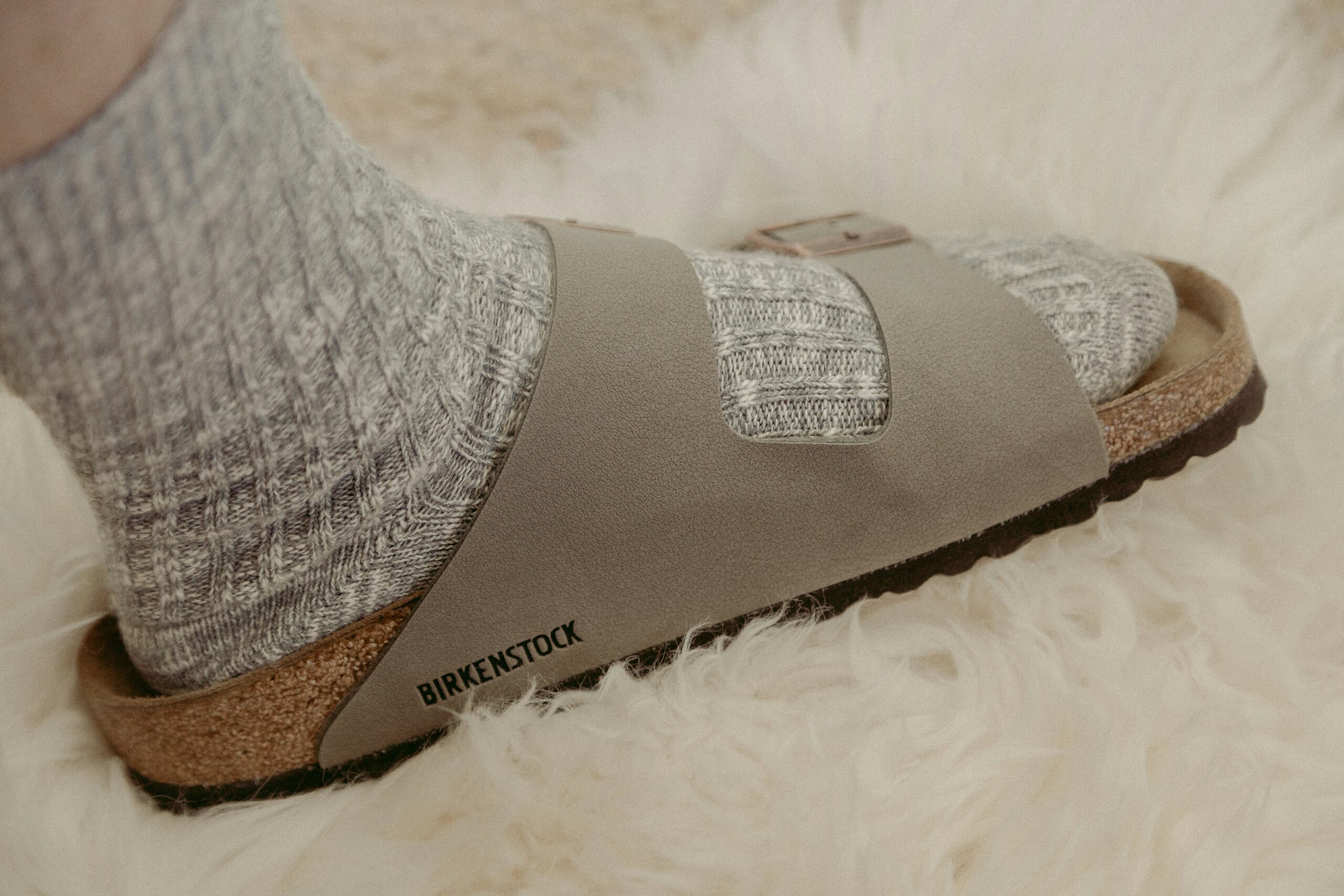
Two garments can look identical — and perform completely differently — based on the material they’re made from.
If you don’t control fabric selection, you don’t control your product.
Fabric Is Not Just an Input — It’s the Product
In apparel, fabric determines:
- How the garment fits
- How it feels on the body
- How it performs over time
- How it holds up after washing
Everything else — stitching, trims, construction — supports the fabric.
But the fabric defines the experience.
1. Fabric Determines Fit (More Than Patterns Do)
You can have a perfect pattern.
But if the fabric behaves differently than expected, the fit changes.
Key factors:
- Stretch vs non-stretch
- Recovery (does it return to shape?)
- Drape (how it falls on the body)
- Weight (GSM)
Example:
A pattern designed for structured cotton will not behave the same in a soft knit.
Same measurements. Different outcome.
2. Fabric Drives Durability
How long your product lasts depends heavily on fabric quality.
What affects durability:
- Fiber composition (cotton, polyester, blends)
- Yarn quality
- Knit or weave structure
- Finishing processes
Common failure points:
- Pilling after a few wears
- Fabric thinning over time
- Loss of shape
These are fabric problems — not sewing problems.
3. Fabric Impacts Performance
For activewear and technical apparel, fabric performance is critical.
Key performance attributes:
- Moisture-wicking
- Breathability
- Compression
- Stretch and recovery
Two fabrics can look identical but differ in:
- How they handle sweat
- How they hold compression
- How they feel during movement
Approving fabric based on feel alone is one of the most common mistakes founders make.
4. Fabric Affects Color Consistency
Color isn’t just about dye — it’s about fabric.
Different fabrics absorb dye differently.
What this impacts:
- Color matching across production runs
- Consistency between batches
- Fading over time
Even with the same color code, different fabric lots can produce visible variation.
5. Fabric Controls Shrinkage
Shrinkage is one of the most overlooked quality issues.
What causes it:
- Fiber type
- Fabric construction
- Finishing process
If shrinkage isn’t tested and accounted for:
- Garments change size after washing
- Fit becomes inconsistent
- Returns increase
6. Fabric Selection Impacts Cost More Than You Think
Fabric is often the largest cost component in apparel production.
What drives cost:
- Fiber type (natural vs synthetic)
- Fabric weight
- Performance treatments
- Minimum order quantities from mills
Choosing the wrong fabric can:
- Increase cost unexpectedly
- Limit your factory options
- Extend lead times
7. Fabric Sourcing Determines Production Stability
Not all fabrics are equally accessible.
Some are:
- Stocked and repeatable
- Easy to reorder
Others are:
- Custom-developed
- Limited in availability
Why this matters:
If your fabric isn’t stable, your production won’t be either.
You may face:
- Delays
- Inconsistent reorders
- MOQ challenges
Where Fabric Selection Goes Wrong
1. Choosing Based on Feel Alone
Fabric that feels good in a sample may not perform in real use.
2. Not Locking the Fabric Source
Specifying “poly/spandex blend” isn’t enough.
You need:
- Specific mill
- Fabric code
- Performance specs
3. Ignoring Fabric Testing
Without testing, you won’t catch:
- Shrinkage issues
- Colorfastness problems
- Performance failures
4. Allowing Substitutions
Factories may substitute similar-looking fabrics.
Even small changes can:
- Affect fit
- Change durability
- Impact customer experience
How to Choose the Right Fabric
1. Start With Product Requirements
Define:
- Use case (casual, performance, swim)
- Required durability
- Desired feel
2. Evaluate Performance — Not Just Appearance
Test for:
- Stretch and recovery
- Shrinkage
- Pilling
- Colorfastness
3. Work With Proven Mills
Factories are only as strong as their fabric supply chain.
4. Lock Specifications Early
Define:
- Fabric composition
- GSM range
- Finish
- Supplier
Fabric Selection by Category
- Focus on structure, drape, and shrinkage
- Prioritize stretch, recovery, and moisture performance
- Focus on elastane quality, chlorine resistance, and opacity
Each category requires a different fabric strategy.
Final Thought
Fabric selection isn’t a design decision.
It’s a product decision.
The brands that succeed don’t just choose fabrics that look good.
They choose fabrics that:
- Perform consistently
- Scale across production
- Hold up over time
That’s what separates a good product from a repeatable one.
Need Help Choosing the Right Fabric?
We help apparel brands source from vetted mills, validate material performance, and ensure consistency across production runs.